09.11.2026
How to Extend the Lifespan of Office Furniture
In commercial working environments subject to rigorous daily use, corporate office furniture can preserve its original structural integrity and aesthetic appeal for many years when supported by tailored maintenance routines, appropriate cleaning methods, and strategic layout choices. Delaying standard wear and tear not only protects an organization’s professional visual standards, but it also reduces depreciation expenses and safeguards corporate capital expenditure. Protecting the long-term value of a workspace investment relies fundamentally on regular physical inspections, selecting surface-appropriate neutral cleaning solutions, and operating ergonomic moving parts as designed.
Material-Specific Cleaning and Maintenance Protocols
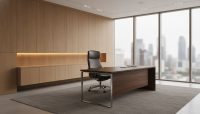
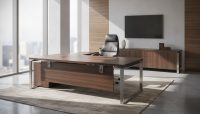
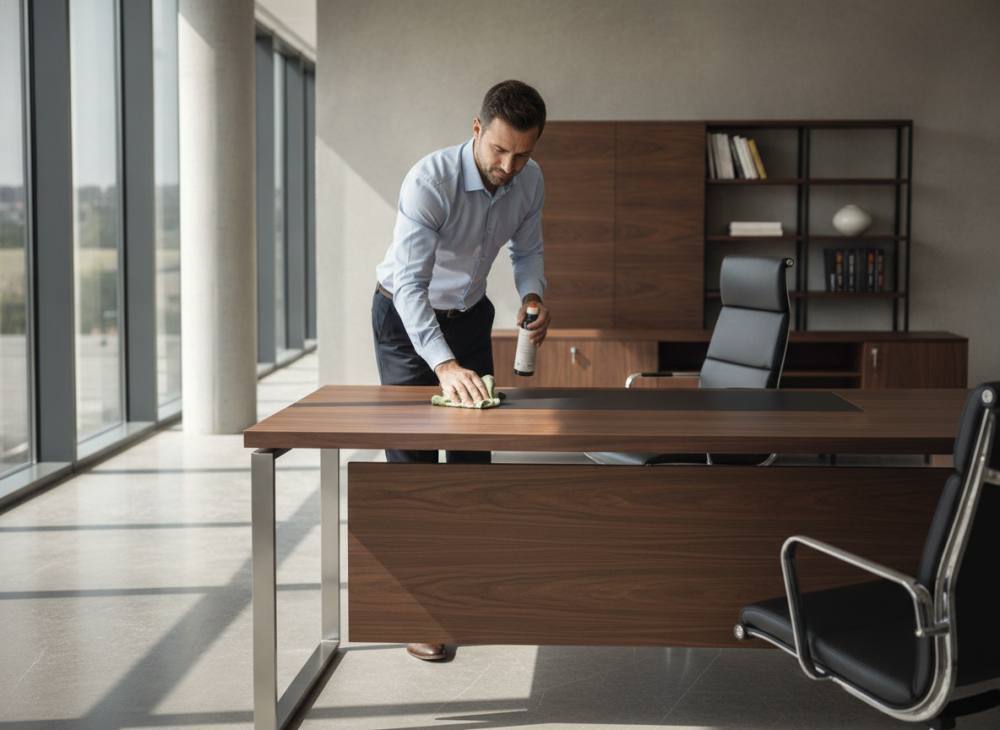
Commercial fixtures comprise vastly diverse materials across executive and operational spaces. Melamine, natural wood veneers, genuine leather, commercial upholstery, and powder-coated steel exhibit fundamentally different physical responses to chemical and physical stressors. The cornerstone of effective surface preservation is avoiding aggressive solvents or abrasive cleaners that degrade protective topcoats. For instance, the natural wood veneers typical of a refined executive office suite can suffer irreversible damage, varnish peeling, and micro-cracking if cleaned with alcohol-heavy or solvent-based chemical products.
Melamine and high-pressure laminate panels offer commendable moisture resistance compared to unsealed wood, yet their structural vulnerability lies along edge-banded seams. Prolonged liquid pooling can seep past PVC edge lines, causing underlying particle boards to swell irreversibly. Consequently, daily wiping should be executed with slightly damp microfiber cloths followed immediately by a dry wipe. Electrostatic powder-coated metal legs and frames require protection against acidic and saline solutions, as minute surface scratches exposed to acidic moisture can trigger underlying oxidation and corrode structural supports.
Preventing Daily Wear on Desks and Workstation Systems
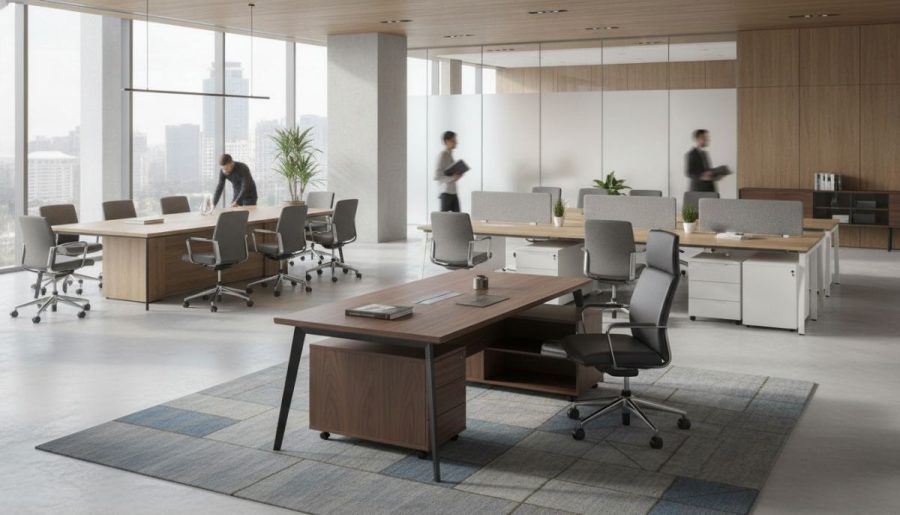
In operational spaces, everyday work desks undergo relentless contact with computing hardware, monitor arm clamps, continuous cable friction, and hot beverage containers. In bustling team settings configured with shared workstation desks, the primary failure points tend to be desk perimeter banding and cable grommets. Placing scalding mugs directly onto laminate or veneer surfaces softens the synthetic resins within the surface and creates persistent rings; instituting a company-wide requirement for coasters serves as a practical, preventive safeguard.
Cable management requires structured attention. Loose cords hanging beneath workstations invite accidental kicks and tugs from team members, which eventually pulls on raceways, bends bracket joints, and damages internal junction boxes. Furthermore, adhering strictly to engineered weight limits prevents table bowing (deflection) along central desk spans, ensuring that multiple heavy display setups or concentrated storage files do not distort supporting crossbeams over time.
Mechanism Care for Ergonomic and Executive Seating
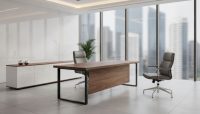
Chairs constitute the most dynamically active mechanical assets inside any corporate facility. Providing dynamic load transfer and spine support, a premium executive chair integrates synchronous recline systems, pneumatic cylinders, tension controls, and multidirectional armrests. Prolonging the working life of high-performance task and executive seating involves addressing four critical mechanical components:
- Piston Dust Defense: Airborne dust, garment lint, and fine grit accumulate along the exposed shaft of pneumatic gas lifts, eventually grinding away internal rubber gaskets. Wiping the metal cylinder clean with a dry, lint-free cloth preserves fluid seals.
- Caster Axle Clearing: Casters continuously roll across varying flooring substrates, collecting carpet fibers, threads, and hair around axle pins. Removing these obstructions prevents wheels from jamming, flat-spotting, and scratching architectural floor surfaces.
- Hardware Retightening: The fasteners securing mechanism brackets to seat pans experience continuous dynamic shifting as users move. Inspecting and tightening these bolts with hex keys or screwdrivers biannually eliminates looseness and sudden thread stripping.
- Upholstery Conditioning: Genuine and synthetic leather covers exposed to direct airflow from HVAC systems or baseboard radiators dry out rapidly, causing surface brittleness and micro-tears. Keeping seating away from extreme heat drafts and treating leather with professional conditioners maintains material flexibility.
Preventive Maintenance and Inspection Matrix
Addressing structural and aesthetic wear before failures occur is substantially more economical than undergoing emergency component replacements. Establishing a predictable physical audit schedule ensures asset longevity across entire corporate departments.
| Inspection Focus | Applied Care Method | Target Wear Prevention | Audit Cadence |
|---|---|---|---|
| Veneer and Melamine Edges | Moisture exclusion and micro-cloth drying | Prevents core swelling and edge detachment | Monthly check |
| Synchronous Chair Recline | Fastener tightening and shaft clearing | Eliminates creaking, play, and metal fatigue | Biannual review |
| Cable Trays and Grommets | Tension clearing and bracket securing | Minimizes downward torque on desk tops | Quarterly audit |
| Textile Upholstery Panels | Low-suction vacuuming and spot extraction | Inhibits fiber breakdown and surface fading | Bi-weekly to monthly |
Not: Kesin ölçüm için Search Console, Analytics veya birincil kaynak kullanılmalıdır; burada uydurma rakam yoktur. Actual corporate usage intensity will dictate the ideal scheduling frequency for each facility.
Impact of Layout Planning and Environmental Factors
Cleaning regimens represent only half the preservation equation; architectural placement within the facility plays an equally decisive role in furniture longevity. Constant exposure to unfiltered solar radiation accelerates ultraviolet degradation, resulting in color bleaching, varnish yellowing, and brittle leather fibers. During floor planning, positioning vulnerable executive desks away from direct window angles or installing solar-filtering window treatments protects natural finishes.
Similarly, placing wooden or laminated furniture directly adjacent to HVAC vents or radiant heating units causes repeated expansion and contraction cycles. This thermal stress warps solid substructures, weakens industrial adhesives, and causes panel joins to gap. Maintaining an open buffer of at least twenty to thirty centimeters between major furniture items and active heat sources ensures healthy airflow. Organizations designing new facilities can review our detailed guide on things to consider when choosing office furniture to identify durable core materials before final installation.
Common Corporate Handling and Cleaning Errors
Everyday user habits and well-intentioned housekeeping routines often inadvertently shorten the operational life of commercial assets. Facility managers commonly observe several recurring mistakes:
- Dragging During Reconfiguration: Sliding heavy desking or credenzas across floor surfaces stresses leg attachment points, loosening dowel inserts and shearing internal cam-lock connectors. Furniture must always be lifted clear of the floor during relocation.
- Harsh Chemical Cleaners: Relying on chlorine bleach, ammonia, or abrasive powders to sterilize surfaces breaks down laminate melamine coatings, leaves permanent clouding on synthetic clear coats, and degrades fabric fibers.
- Sitting on Armrests: Perching on chair armrests during impromptu collaborative discussions bends structural mounting brackets and permanently misaligns internal recline mechanisms.
- Unbalanced Cabinet Loading: Concentrating massive archives in single top drawers causes telescopic drawer runners to bind, warping steel ball-bearing tracks and compromising safety interlocks.
Frequently Asked Questions
Do laminate and melamine desks require regular waxing or polishing?
No. Industrial laminates and melamine panels possess non-porous synthetic resin coatings cured at the factory level. Applying waxes or silicone furniture polishes creates a gummy, dust-attracting residue that dulls the surface rather than protecting it. Mild soapy water on a damp microfiber cloth is sufficient.
What is the most effective way to silence squeaking office chairs?
Persistent creaks typically stem from loose mechanism-to-seat mounting bolts or dry pivot joints within the recline springs. Begin by securing all underside structural screws. If squeaking persists, apply a minimal amount of dry, non-staining silicone lubricant spray directly onto internal pivot pins, avoiding overspray on upholstery.
How should spills on commercial fabric chairs be treated?
Never scrub a fresh spill aggressively, as rubbing forces liquid deep into foam padding and frays outer textile weaves. Immediately blot the spill with a clean, dry absorbent paper towel to draw out liquid. Treat lingering residues with a dedicated pH-neutral upholstery cleaner applied via gentle blotting motions.
To design durable commercial workspaces utilizing heavy-duty materials or to receive tailored guidance on selecting resilient office furniture systems, contact us today to consult with our project experts.